
Why your body craves connection: oxytocin, endorphins, and emotional bonding
Your need for connection is not weakness. The human body is wired for bonding, comfort, touch, safety, and emotional closeness. This article explains how oxytocin, endorphins, and emotional bonding shape the way we attach to people, why some connections feel calming or addictive, and why understanding your body chemistry can help you love with more awareness instead of blindly following every emotional pull.
UNDERSTANDING PATTERNS
Alena
5/11/202611 min read
Why your body craves connection: oxytocin, endorphins, and emotional bonding
Sometimes you do not miss a person only because of who they are.
You miss how your body felt around them.
You miss the calm.
The warmth.
The softness.
The routine.
The comfort of being held emotionally, mentally, or physically.
The feeling that, for a moment, you did not have to carry everything alone.
This is why human connection can feel so powerful.
It is not only a romantic idea. It is not only poetry. It is not only “I like this person.” Connection is also biological. Your body participates in bonding. Your nervous system responds to closeness. Your emotions react to safety, touch, recognition, and belonging.
That is why some people feel like relief.
Not necessarily because they are perfect.
Not necessarily because they are right for your life.
Not necessarily because the relationship is healthy in the long term.
But because your body associated them with comfort.
And once your body associates someone with comfort, losing access to them can feel deeply painful.
This is where hormones and emotional bonding become important.
Not because hormones control everything.
But because they help explain why connection can feel so strong, even when logic is telling you to slow down.
[connect to existing article: What your cravings naturally mean: dopamine, serotonin, cortisol]
Your need for connection is not weakness
Let’s start here, because this matters.
Needing connection does not make you weak.
Wanting affection does not make you desperate.
Missing emotional closeness does not make you childish.
Human beings are relational. We are not designed to live like isolated machines. We regulate through connection. We learn through relationships. We develop through attachment. We calm down through safe presence. We build meaning through being seen, heard, touched, understood, and remembered.
This is why loneliness can hurt so much.
It is not only the absence of people. Sometimes loneliness feels like the absence of emotional contact with the world.
You can be surrounded by people and still feel lonely if nobody really meets you.
You can be busy and still feel empty if there is no warmth in your life.
You can look independent outside and still crave one safe place where you can put your emotional armor down.
That does not mean you are broken.
It means you are human.
The problem is not that you need connection.
The problem begins when you confuse every strong bonding feeling with healthy love.
That is where awareness becomes necessary.
Because the body can crave connection, but the body does not always evaluate compatibility, character, emotional maturity, or long-term safety.
Your body can say: “This person feels good.”
But your wisdom still needs to ask: “Is this person good for my life?”
Those are not always the same thing.
Oxytocin: the bonding hormone, but not a fairytale hormone
Oxytocin is often called the bonding hormone.
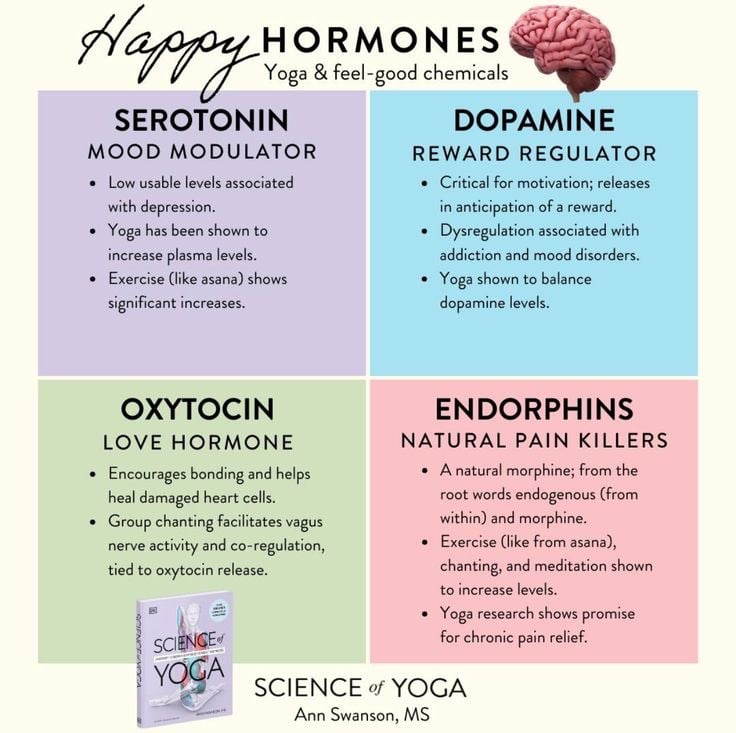
People associate it with closeness, trust, affection, caregiving, touch, childbirth, breastfeeding, romantic bonding, and emotional warmth. In simple terms, oxytocin is connected to the feeling of “I feel close to you” or “I feel safe with you.”
But we need to be careful not to romanticize it too much.
Oxytocin is not a soulmate detector.
It does not mean the person is right for you.
It does not mean the connection is healthy.
It does not mean you should trust someone blindly.
It means your body is responding to closeness.
And closeness can happen in healthy relationships, but it can also happen in complicated ones.
This is why people sometimes feel bonded to someone who is inconsistent, unavailable, or emotionally confusing. The body may still remember the warm moments, the affectionate moments, the moments of softness, the moments where everything felt repaired.
Oxytocin can make connection feel meaningful.
But meaning is not the same as safety.
This is where many people get trapped.
They think:
“If I feel so attached, it must mean this person is special.”
Maybe they are special.
But also maybe your body became attached to the comfort they sometimes provided.
Maybe you bonded through vulnerability.
Maybe you bonded through physical closeness.
Maybe you bonded through emotional rescue.
Maybe you bonded through conflict and repair.
Maybe you bonded through the fantasy of finally being chosen.
The bond may be real.
But real does not automatically mean healthy.
This distinction is very important.
Endorphins: the comfort chemistry of relief
Endorphins are often connected to pain relief, pleasure, comfort, and the soothing feeling that comes after stress, movement, laughter, crying, closeness, or emotional release.
In relationships, endorphin-like comfort can show up in those moments when someone makes life feel lighter.
You laugh with them after a heavy day.
You feel your body relax after they hug you.
You feel calmer after hearing their voice.
You feel relief when the conflict finally ends.
You feel emotionally “held” when they understand what you are trying to say.
That comfort can become deeply attached to the person.
The body remembers who helped it feel better.
This is beautiful when the relationship is safe, reciprocal, and emotionally mature.
But it can become confusing when relief comes after distress.
For example, if someone makes you anxious and then comforts you, the comfort may feel extra powerful because your body is moving from pain to relief.
That shift can feel intense.
And sometimes people mistake that intensity for deep love.
But sometimes it is not deep love.
Sometimes it is a nervous system finally exhaling after being under pressure.
This is one reason unstable relationships can feel more addictive than stable ones.
The relief feels so big because the distress was also big.
Peace does not always create the same dramatic high.
Safety can feel quiet.
Consistency can feel almost boring if your body is used to emotional intensity.
This is why emotional maturity requires retraining your body to recognize peace as valuable, not empty.
[connect to existing article: Good sex doesn’t mean a good relationship. Here is what actually does.]
Emotional bonding is built through repeated experience
Bonding does not usually happen from one single moment.
It builds through repetition.
Repeated conversations.
Repeated touch.
Repeated emotional opening.
Repeated routines.
Repeated repair after conflict.
Repeated laughter.
Repeated vulnerability.
Repeated expectation that this person will be there.
This is why detaching can be hard.
You are not only detaching from a person.
You are detaching from repeated emotional training.
Your body got used to them.
Your day may have had a rhythm around them. Your mind may have had a habit of checking on them. Your emotions may have been organized around their reactions. Your future imagination may have included them without you even realizing how deeply they entered the structure.
So when that bond is disturbed, the pain can feel bigger than the current reality.
You are not just missing today’s person.
You are missing the emotional pattern your body learned.
This connects directly to relationship structure. A relationship is not only two people saying they love each other. It is a whole system of habits, meanings, roles, expectations, communication, body chemistry, emotional needs, and daily patterns.
When the structure changes, your body can resist the change.
This is why after a breakup, distance, or emotional withdrawal, you may feel like something inside you is still reaching.
Not because you are stupid.
Because your system is still attached to the old structure.
[connect to existing article: The Matrix of love, Alena psycrafter signature framework]
Why some people feel like “home”
Sometimes we describe a person as feeling like home.
This can be beautiful.
But it also needs honest reflection.
“Home” can mean safety.
It can mean your body feels calm around them.
You feel accepted.
You feel emotionally seen.
You do not need to perform.
You can soften.
You can breathe.
That kind of home is healing.
But sometimes “home” means familiarity, not safety.
A person may feel like home because they activate an old emotional pattern you already know.
Maybe you are used to earning love.
Maybe you are used to emotional unpredictability.
Maybe you are used to proving your worth.
Maybe you are used to people being warm sometimes and distant other times.
Maybe your nervous system learned long ago that love comes with anxiety.
So when someone repeats that pattern, your body may say:
“I know this feeling.”
And because it is familiar, it can feel powerful.
But familiar does not always mean healthy.
This is where people need to become very honest with themselves.
When you say someone feels like home, ask:
Do they feel like peace?
Or do they feel like an old wound I am trying to repair?
Do they make me feel safe?
Or do they make me feel activated?
Do I feel more myself around them?
Or do I become smaller, anxious, obsessive, or desperate for reassurance?
Do I feel emotionally nourished?
Or do I feel addicted to small moments of relief?
This is not about judging yourself.
This is about learning your body’s language.
Because your body may be craving connection, but you still need discernment.
Touch and closeness can deepen bonding
Physical closeness can intensify bonding.
This does not mean physical intimacy is bad.
It means it is powerful.
Touch, eye contact, affection, shared sleep, cuddling, emotional vulnerability, private conversations, and romantic closeness can all teach the body to associate someone with comfort and attachment.
This is why some relationships become harder to release after deep intimacy.
The body is not neutral.
It records closeness.
It builds association.
It starts recognizing someone as a source of warmth, relief, pleasure, or emotional safety.
Again, this can be beautiful inside a healthy relationship.
But if the relationship lacks commitment, clarity, respect, consistency, or mutual care, then the body may bond faster than the relationship structure can actually support.
And this is where people get hurt.
The body may feel attached before the relationship is emotionally safe.
The body may trust before the person has shown reliability.
The body may crave closeness before the situation has real stability.
This is why emotional awareness matters.
You do not need to be afraid of bonding.
But you do need to respect the power of bonding.
Because every intimate connection teaches your body something.
The question is: what is it teaching?
Is it teaching safety?
Respect?
Mutual care?
Consistency?
Emotional honesty?
Or is it teaching anxiety, waiting, overthinking, chasing, and craving?
[connect to existing article: Love, sex and the truth most people don’t understand]
Why bonding can become confusing in codependent patterns
In codependent patterns, bonding often becomes mixed with emotional survival.
The connection is not only “I love you.”
It becomes:
“I need you to be okay so I can be okay.”
Their mood affects your mood.
Their silence affects your self-worth.
Their distance affects your nervous system.
Their approval feels like oxygen.
Their affection becomes proof that you are lovable.
This is when bonding becomes dangerous.
Not because love is dangerous.
But because the other person becomes too central to your internal regulation.
Instead of being one important person in your life, they become the emotional control room.
When they are warm, you feel alive.
When they are cold, you feel abandoned.
When they reply, you relax.
When they disappear, you spiral.
That is not just romance.
That is regulation dependency.
And when the bond breaks or becomes unstable, it can feel like withdrawal because your body has been using this person as a source of emotional balance.
This is why healing from codependent attachment is not only about “stop loving them.”
It is about learning how to bring your emotional regulation back into your own body and your own life.
You can still love people.
But you cannot hand them the full remote control to your nervous system.
That is too much power for another human being to hold.
And honestly, it is too much pressure for any relationship to carry.
Healthy bonding does not mean someone becomes your whole oxygen supply.
Healthy bonding means connection supports you while you still remain connected to yourself.
[connect to existing article: Why you overthink everything and can’t stop]
The body craves connection, but the self needs leadership
This is the balance.
Your body has needs.
It needs comfort, affection, warmth, belonging, safety, pleasure, rest, and emotional contact.
These needs are real.
But your self needs leadership.
Because not every person who activates your bonding chemistry deserves access to your life.
Not every warm moment is a relationship foundation.
Not every intense connection is love.
Not every emotional pull is destiny.
Not every craving is guidance.
Sometimes a craving is just a craving.
Sometimes chemistry is just chemistry.
Sometimes attachment is asking for comfort, not necessarily asking for that specific person.
This is where self-leadership becomes essential.
Instead of asking only: “Do I feel connected to them?”
Ask: “Is this connection good for me?”
“Does this relationship support my growth?”
“Can I be emotionally honest here?”
“Is there reciprocity?”
“Do I feel safe being myself?”
“Are my needs respected?”
“Is this person consistent enough for my nervous system?”
“Do I become more grounded or more anxious in this connection?”
These questions bring the mind, body, and self back into conversation.
Because mature love is not about killing your feelings.
It is about leading them wisely.
[connect to existing article: What love actually is and why most people get it wrong]
Connection should not cost you yourself
There is nothing wrong with craving connection.
But connection should not require self-abandonment.
You should not have to betray your own needs to stay bonded.
You should not have to shrink your truth to keep someone close.
You should not have to live in emotional uncertainty just to feel chosen sometimes.
You should not have to trade your peace for chemistry.
A healthy bond gives you warmth without making you lose your center.
It makes you softer, but not weaker.
It makes you open, but not desperate.
It makes you connected, but not consumed.
That is the kind of connection your body may need, even if it is not yet used to it.
And this is important: if your body is used to chaos, safe connection may not feel exciting at first.
It may feel quiet.
It may feel unfamiliar.
It may even feel suspicious.
But that does not mean it is wrong.
Sometimes the body has to learn that peace is not emptiness.
Peace is safety without the crash.
Warmth without the wound.
Closeness without the panic.
Love without the constant need to earn it.
Final thought
Your body craves connection because connection is part of being human.
Oxytocin, endorphins, attachment, touch, comfort, and emotional bonding all remind us that we are not built only for independence. We are built for relationship.
But your chemistry is not your compass by itself.
It is information.
It tells you that something in you feels pulled, soothed, activated, comforted, or attached.
But then your deeper self must ask:
Is this connection safe?
Is it mutual?
Is it respectful?
Is it consistent?
Is it helping me become more myself?
Or is it making me abandon myself for the feeling of closeness?
That is the real work.
Not denying your need for connection.
But learning to choose connection that does not require you to disappear.
Because the goal is not to become someone who needs nobody.
The goal is to become someone who can bond deeply without losing themselves inside the bond.
That is where emotional maturity begins.
If you want to go deeper
Understanding patterns
What your cravings naturally mean: dopamine, serotonin, cortisol
A useful starting point for understanding why emotional cravings, stress reactions, reward-seeking, and mood shifts are connected to body chemistry.
Why attraction can feel addictive: dopamine, oxytocin, cortisol, and the trauma bond loop
A deeper article on why unstable relationships can feel chemically intense and why emotional highs after distress can become addictive.
Why attraction can feel stronger when someone is inconsistent
A future article about unpredictable attention, intermittent reinforcement, and why inconsistency can make attraction feel stronger than stable love.
Your hormones are not your destiny: how to work with your body without obeying every craving
A practical article about self-regulation, emotional discipline, and learning how to respect your body without letting every urge make decisions for you.
Relationship
Breakups hurt like withdrawal - and that’s why “just move on” doesn’t work
A related article on why romantic loss can feel like withdrawal and why craving someone does not automatically mean the relationship was healthy.
The matrix of love, Alena PsyCrafter signature framework
A deeper framework for understanding attraction across several layers: body, emotions, cognition, motivation, behaviour, environment, fantasy, attachment, and relationship structure.
What love actually is and why most people get it wrong
A broader explanation of why love is not only a feeling, but a layered experience involving needs, action, understanding, capacity, and relationship reality.
Love, sex and the truth most people don’t understand
A related article on why physical chemistry, emotional longing, and real relationship compatibility are not the same thing.